
Nullam dignissim, ante scelerisque the is euismod fermentum odio sem semper the is erat, a feugiat leo urna eget eros. Duis Aenean a imperdiet risus.

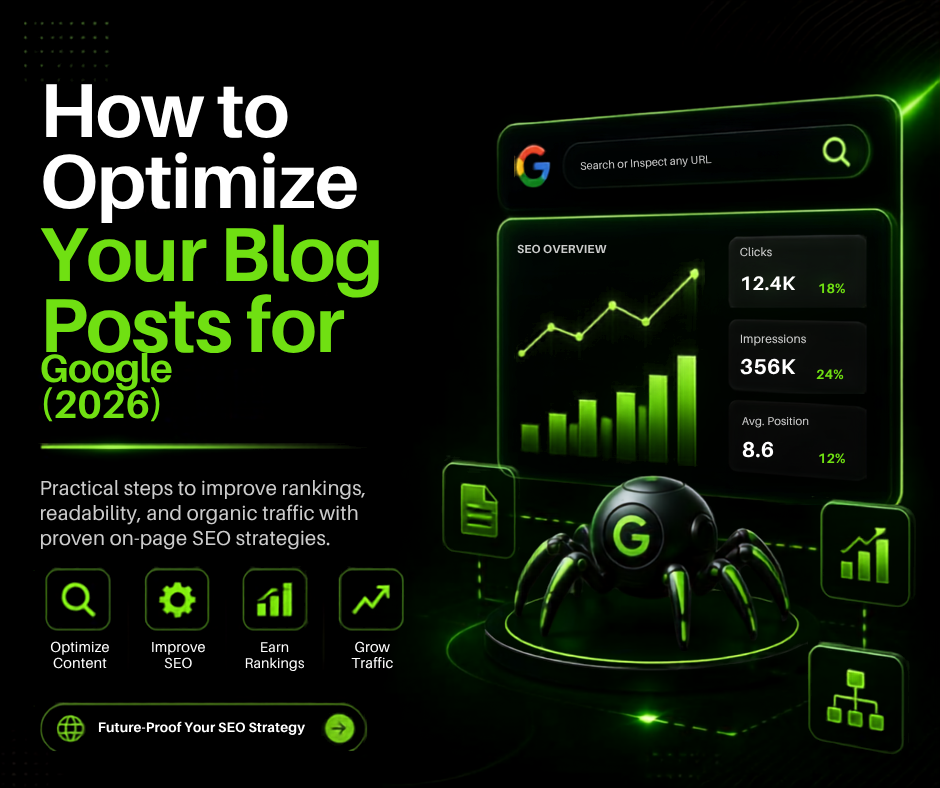
On-Page SEO Guide: How to Optimize Your Blog Posts (2026)
Publishing high-quality content without strict optimization often leads to unindexed pages and stalled organic traffic. Many site owners write thorough articles but fail to structure them for search engine crawlers. Mastering a comprehensive on page seo guide allows you to structure your content effectively, increase organic visibility, and earn faster Google AdSense approval. This step-by-step breakdown details practical optimization tactics, actionable workflows, and performance checks to elevate your blog content.
Core On-Page SEO Architecture & Workflow
On-page optimization is the process of tuning individual web pages to rank higher and earn relevant search traffic. It balances crawl readability for search bots with natural content flow for real users.
[Target Keyword Research] ➔ [Header & Slug Alignment] ➔ [Internal Link Equity] ➔ [UX & Schema Validation]
1. Title Tag & URL Slug Optimization
Your title tag remains a heavy ranking signal. Keep your H1 title under 60 characters to prevent truncation on mobile search engine result pages (SERPs). Place your target search phrase near the beginning of the title.
Keep your permalink short, lowercase, and hyphenated. Avoid dynamic parameters, dates, or filler words.
- Recommended URL Structure:
[https://yogeshdotcreates.com/blog/on-page-seo-guide]
2. Strategic Keyword Placement
Integrate your primary phrase naturally within high-priority elements. Avoid artificial repetition, which triggers keyword stuffing penalties.
- First 100 Words: Introduce your primary term early within your introductory paragraph.
- Heading Hierarchy: Include primary or LSI modifiers inside at least one H2 and H3 tag.
- Body Copy: Maintain a natural keyword density of 4 to 6 occurrences per 1,500 words.
3. Header Structure & E-E-A-T Formatting
Organize your post using logical heading hierarchies ($H1 \to H2 \to H3$). Break up long prose into short 2–3 sentence paragraphs to increase mobile scannability.
Demonstrate Google’s Experience, Expertise, Authoritativeness, and Trustworthiness (E-E-A-T) standards by adding author bio lines, practical code snippets, custom illustrations, or direct case examples. Reference foundational protocols on MDN Web Docs or search engine documentation via Google Search Central. Cross-check technical terminology on Wikipedia’s SEO Guide and run competitor gap checks using Ahrefs or Semrush.
HTML
<!-- Recommended Article Structural Hierarchy -->
<h1>Main Blog Title Including Primary Term</h1>
<p>Introductory paragraph featuring primary phrase within the first 100 words...</p>

<h2>Core Tactical Subheading</h2>
<h3>Step-by-Step Sub-topic Detail</h3>
On-Page Optimization Factor Comparison Matrix
The following table summarizes the core elements required when executing an on page seo guide workflow across your blog.
Real-World Case Study: Recovering Lost Organic Traffic
A niche tech publication experienced a 40% drop in organic sessions following a template migration that stripped heading structures and canonical tags.
[Dropped Headings & Internal Links] ➔ [Crawl Depth Failure] ➔ [40% Search Traffic Loss]
The Optimization Workflow Executed by Yogesh
- Structural Audit: Re-established strict $H1 \to H2 \to H3$ heading hierarchies across all published guides.
- Keyword Re-Alignment: Adjusted post introductions to place primary terms within the first 100 words.
- Internal Link Mesh: Contextually linked low-ranking posts to high-authority core category hubs.
- Media Compression: Converted all PNG assets to WebP formats and added descriptive alt text.
[Restored Heading Hierarchy & Alt Text] ➔ [Contextual Internal Mesh] ➔ [Full Traffic Recovery in 30 Days]
The Result
Within 30 days of deploying these on-page updates, search crawlers re-indexed the optimized posts. The site fully recovered its dropped rankings and achieved a 25% increase in total pageviews.
Common Pitfalls & How to Avoid Them
- Keyword Stuffing: Artificially forcing your primary phrase into every paragraph harms readability and triggers search penalties. Use semantic variations and natural language instead.
- Neglecting Image Optimization: Uploading uncompressed images inflates page load times, damaging Core Web Vitals. Always convert images to WebP format and include descriptive alt text.
- Ignoring Internal Link Anchor Text: Linking with generic anchor text like “click here” misses an opportunity to pass contextual relevance. Use descriptive, keyword-rich anchor text.
- Publishing Thin Content: Drafting short posts without clear search intent leads to high bounce rates. Ensure every guide thoroughly answers the user’s search query.
Schema-Friendly FAQs
How long does it take for on-page SEO changes to affect rankings?
Search engines typically process on-page updates within a few days to three weeks, depending on your site’s crawl frequency. Submitting your updated URL via Google Search Console speeds up the recrawling process.
Does image alt text really impact SEO?
Yes. Image alt text helps search engine crawlers understand the content of your visual media, allowing your images to rank in image search results while improving site accessibility for screen readers.
How many internal links should I include in a 1,500-word blog post?
Aim for 3 to 5 contextual internal links per 1,500 words. Ensure the linked pages provide additional relevant information for the reader.
What is the ideal word count for an AdSense-approved blog post?
While Google does not specify a strict word count minimum, target 1,200 to 1,800 words of comprehensive, original content to satisfy search intent and comply with AdSense quality standards.
Mastering On-Page Growth
Implementing a rigorous on-page strategy turns standard articles into consistent traffic drivers. Structuring titles correctly, placing keywords intentionally, and maintaining clean internal link flows ensures search engines index and rank your content effectively.
Review your existing blog posts, apply these structural optimization principles, and track your ranking improvements inside Google Search Console.
For more technical SEO blueprints, step-by-step developer tutorials, and organic scaling strategies, explore our latest guides on yogeshdotcreates.com.